
Ana Eseverri Mayer
Presidenta

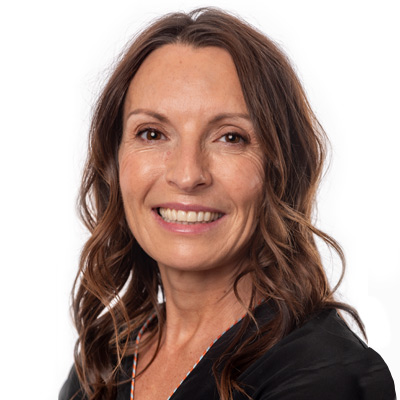
Licenciada en Sociología poe la UCM, DEA Políticas Europeas de Desarrollo. Comencé mi carrera profesional como profesora en sociología y ciencia política en London Metropolitan University. Fundadora de AIPC Pandora y directora de programas desde 2002 a 2013. Directora General desde 2013 hasta el día de hoy. Vice-presienta de la Federación Internacional The Experiment in… Seguir leyendo Ana Eseverri Mayer
Presidenta
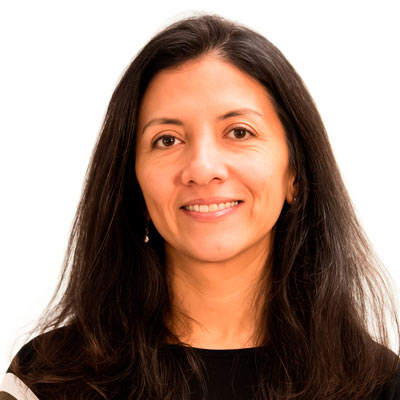
Me licencié en Auditoría Financiera y tras varios años trabajando en el área financiera del sector privado de las telecomunicaciones decidí redirigir mi camino laboral al sector social trabajando para la Agencia Española de Cooperación Internacional para el Desarrollo (AECID), a quién también le debo la concesión de una beca que me permitió realizar un… Seguir leyendo Ximena Zeballos Castellón
Operations Coordinator
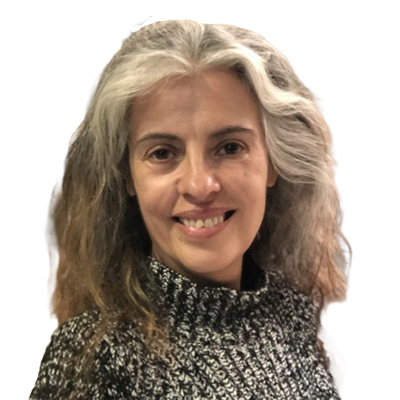
Soy , profesional de los recursos humanos con más de 30 años de experiencia en este ámbito. A lo largo de mi carrera he desempeñado diferentes roles y, durante los últimos 20 años, he ocupado el puesto de directora de Recursos Humanos y he formado parte del comité de dirección en distintas compañías de diversos… Seguir leyendo Amalia Rodríguez
Vocal
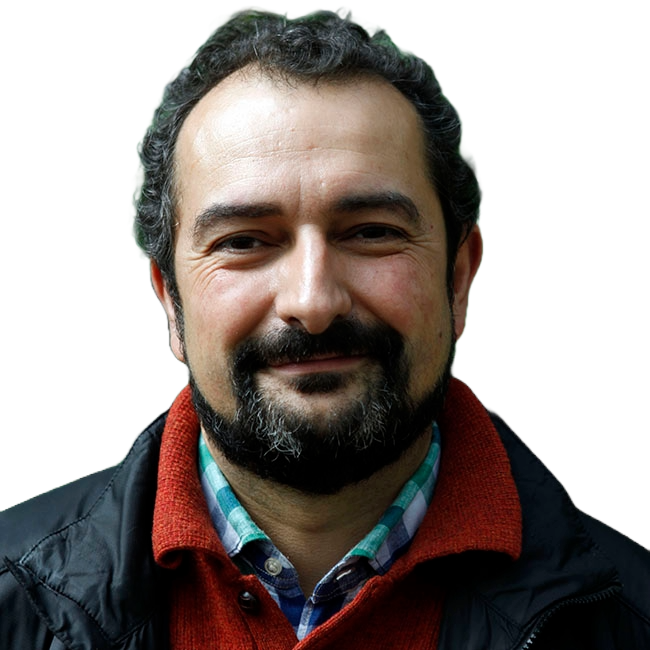
Soy Doctor en Sociología. He desarrollado mi carrera tanto en la docencia universitaria como en la práctica profesional trabajando en proyectos centrados en la ciudad: su espacio público, la exclusión social, participación ciudadana, gobernanza, regeneración de barrios o innovación social. He impartido clase en diversas universidades norteamericanas y europeas y actualmente es profesor en la Universidad… Seguir leyendo Andrés Walliser
Vicepresidente
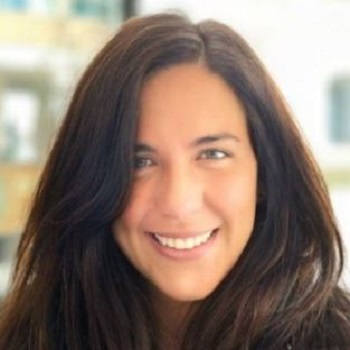
¡Hola!Me llamo Natalia y actualmente soy profesora de Educación Física e Inglés en Lisboa,trabajando para la Acción Educativa en el Exterior (Ministerio de Educación y formación profesional del Gobierno de España).Disfruto conociendo nuevas culturas, aprendiendo idiomas y trabajando con la educación.La naturaleza es el medio donde más feliz me encuentro y es el contexto de… Seguir leyendo Natalia Triviño

¡Hola! Soy Sofía, tengo 26 años y nací y crecí en Madrid. Estudié Derecho y Políticas en Granada, he sido profe de español como lengua extranjera y desde adolescente he participado y disfrutado mucho en campamentos de innovación educativa y Emprendimiento Social. Vivo, estudio y trabajo viajando porque me hace muy, muy feliz. También el… Seguir leyendo Sofía de Oliveira
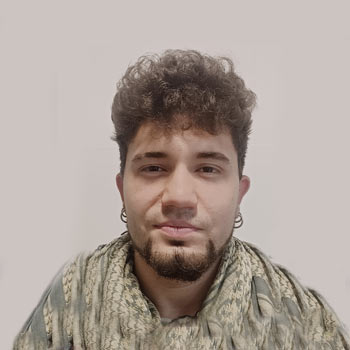
Mi nombre es Daniel de las Heras. Soy estudiante de psicología y amante de la aventura y los viajes. Desde muy joven empecé a viajar por el mundo y descubrí que mas allá de ver y conocer otros lugares y a otras personas, lo que de verdad me fascinaba era la idea de convertirme en… Seguir leyendo Daniel de las Heras
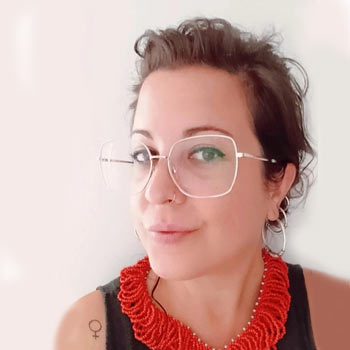
Me llamo Sandra, tengo 34 años y soy licenciada en Filología Árabe y Filología Hebrea. Me apasiona el mundo árabe y he viajado por muchos países como Siria, Palestina, Israel, Túnez, Turquía. Me encanta viajar con mi mochila, las mejores experiencias han sido por el Sudeste Asiático (Vietnam, Camboya y Tailandia). Soy profesora de español… Seguir leyendo Alejandra Sesmero Navarro
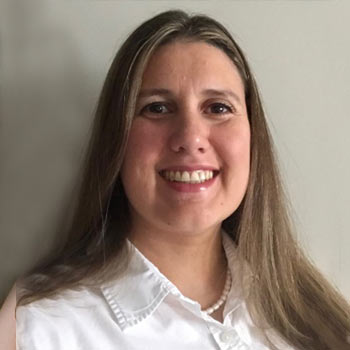
Creativa y entusiasta profesional con una educación multidisciplinar y más de 15 años trabajando y viviendo en diferentes países en educación. Mi pasión es la enseñanza del español. Después de licenciarme en Filología Árabe, quise experimentar de primera mano la vida en países árabes, con esta intención he vivido en Yemen, Marruecos, Emiratos, Jordania y… Seguir leyendo Ana Tendero
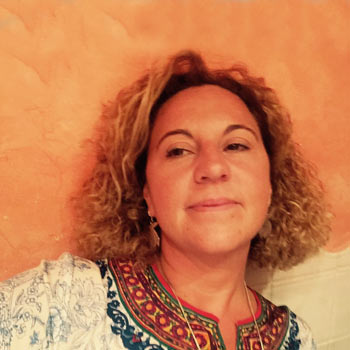
Soy Arantza, me gusta definirme como una mujer apasionada por la educación y convencida de la oportunidad de contribuir al cambio a través de una educación firme y sólida en valores comprometida con el futuro. Soy licenciada en derecho en ICADE con amplia experiencia profesional en el mundo empresarial, aposté por el camino del mundo… Seguir leyendo Arancha Carrillo
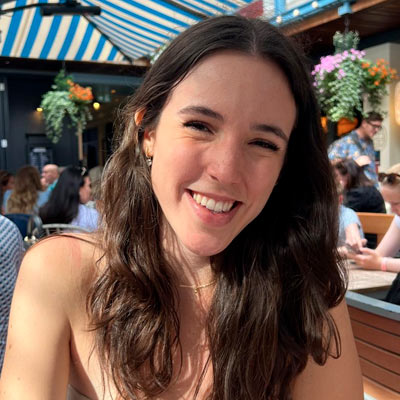
Graduada en Medicina por la Universitat de Barcelona – Campus Clínic – y un año de erasmus en La Sapienza Universitat di Roma. Mi trayectoria ha estado marcada por el compromiso social, la cooperación internacional y el trabajo con jóvenes. También tengo cursado el primer año del grado en Filosofía, estudios que tengo intención de… Seguir leyendo Ana Canalejas
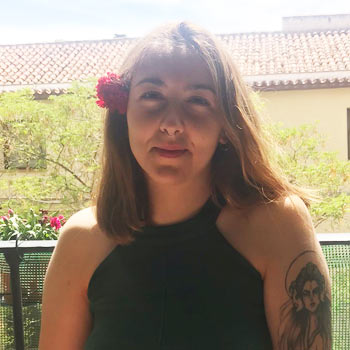
Hola, yo soy Ale. Tengo 24 años y soy graduada en Estudios Internacionales y Ciencias Políticas por la Universidad Carlos III de Madrid. Además, hice mis prácticas con AIPC Pandora en el departamento de Becas y proyectos. A la vez, coordino un voluntariado que junta a jóvenes universitarios con personas de la tercera edad para… Seguir leyendo Alejandra Infante
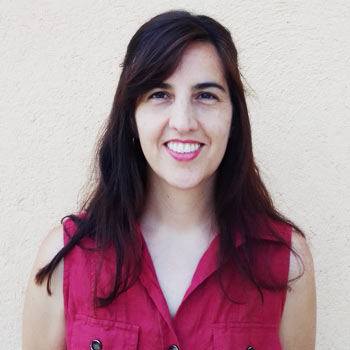
Cada experiencia que vivimos tiene un significado único, contextualizado en un tiempo, lugar y persona que somos. La educación es una herramienta que posibilita el probar, jugar, aprender… Si a esto le unimos el voluntariado, tenemos una vivencia transformadora, un viaje que deja huella. Soy educadora, con veinte años de experiencia. Me encanta la convivencia… Seguir leyendo Laura T.
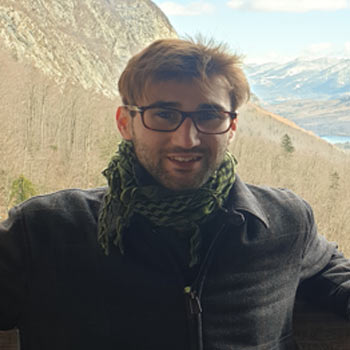
Buenas, me llamo Aarón, soy Ingeniero de Minas, especializado en recursos energéticos, combustibles y explosivos. Ahora mismo estoy terminando un máster en Ingeniería de minas y otro de docencia en la especialidad de matemáticas. Soy el 4º de 5 hermanos y he trabajado varios años con grupos de personas, así que estoy acostumbrado a tratar con… Seguir leyendo Aaron Eiroa de la Corte
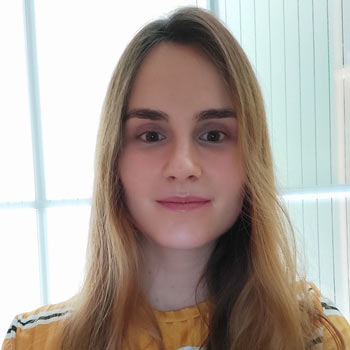
Estoy terminando mis estudios en Relaciones Internacionales y Protocolo, Organización de Eventos y Comunicación Corporativa. Me considero una persona responsable y tranquila. En mi tiempo libre me encanta viajar, practicar deportes al aire libre y leer.
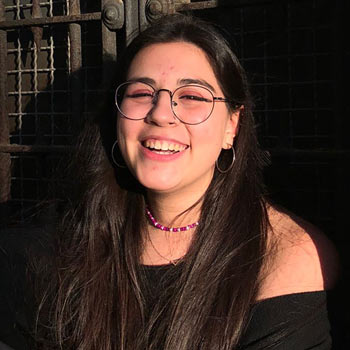
Me llamo Gloria Lerma, tengo 18 años, vivo en un pueblo de Madrid y hago primero de Estudios Internacionales. Soy una chica muy curiosa, me interesa mucho la mitología, la filosofía y aprender sobre otras culturas, esto ha desarrollado mi afán por los viajes. Mis principales aficiones a día de hoy son el maquillaje, los… Seguir leyendo Gloria Lerma
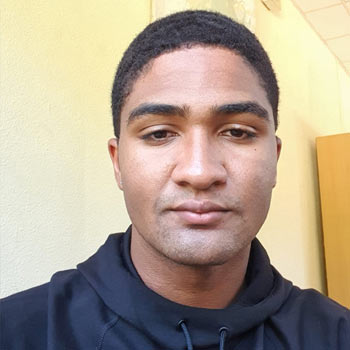
Hola, mi nombre es Mariano. Nací en medio del caribe, y ahora estoy estudiando un grado de sociología en la Universidad Complutense de Madrid. Entre medias toda una vida. Me gusta la historia, la filosofía y la música. ¡Es un placer!
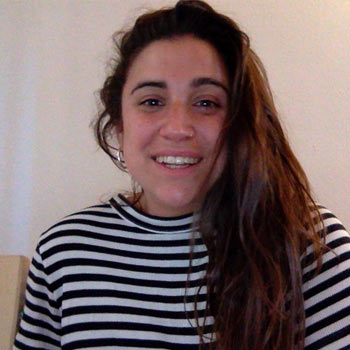
Mi nombre es Carmen, nací en Madrid pero siempre me ha gustado viajar de aquí para allá haciendo de mis hobbies mi trabajo; el arte y la educación. Estudié Bellas Artes y poco a poco me fui especializando en el ámbito educativo, ya que mi pasión es trabajar con las personas. Actualmente trabajo con adolescentes en un… Seguir leyendo Carmen de la Paz
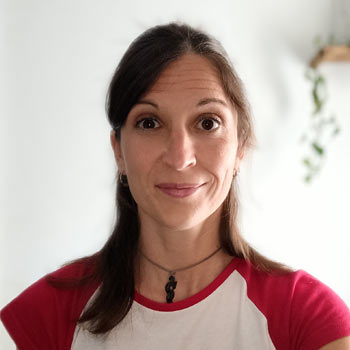
Me llamo Silvia Arriscado, tengo 40 años y soy de Madrid. Estudié Ciencias Ambientales y, además de mi trabajo como educadora ambiental en España, también he trabajado como guía de viajes en África y en conservación de tortugas marinas en Costa Rica. Me apasiona la naturaleza y los viajes, montar en bicicleta y hacer el… Seguir leyendo Silvia Arriscado
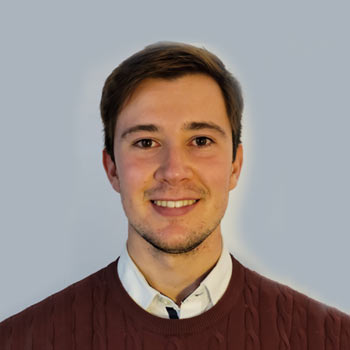
Me siento muy privilegiado de ser Maestro. Ser parte de la biografía de un niño es algo único. Para mi la educación no es algo que se quede en una escuela, por ello mi motivación de realizar proyectos como este es que los estudiantes aprendan nuevas culturas, conozcan nuevas personas y que mejoren la convivencia… Seguir leyendo Víctor Alarcón
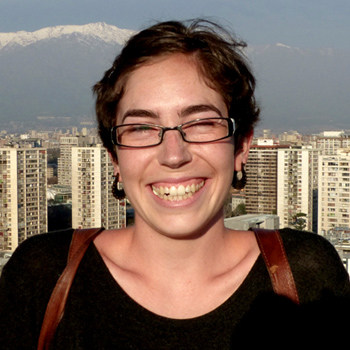
Graduada en educación social y especializada en mediación y cooperación internacional, con gran interés en el ámbito cultural y de la salud mental. Actualmente, trabajo en un Centro de Acogida para Personas Sin Hogar donde damos apoyo a la cobertura de sus necesidades básicas. Disfruto a diario de la atención directa con las personas que… Seguir leyendo María Jiménez
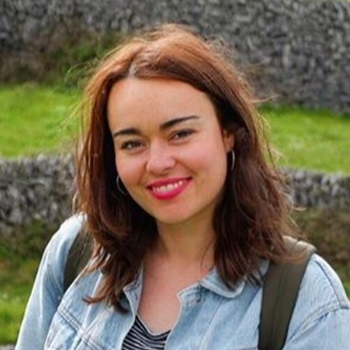
Me llamo Blanca Bravo Casares, tengo 25 años y nací en Madrid. Soy trabajadora social y mediadora de profesión. Actualmente vivo y trabajo en Galway, Irlanda. El año pasado me fui a Belfast para hacer un Servicio de Voluntariado Europeo con personas sin hogar, y fue la mejor experiencia de mi vida. Gracias a esta… Seguir leyendo Blanca Bravo Casares
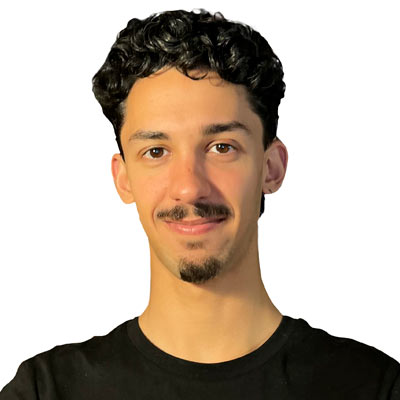
Me llamo Geronimo, tengo 21 años y soy estudiante de Ciencias Políticas y Sociología en la Universidad Carlos III de Madrid. Nací en Argentina, pero he vivido desde pequeño en España. Las diferencias culturales y sociales entre países siempre me han generado inquietudes y una gran necesidad de entender cómo funciona el mundo. Desde hace… Seguir leyendo Geronimo Bobadilla
Vocal
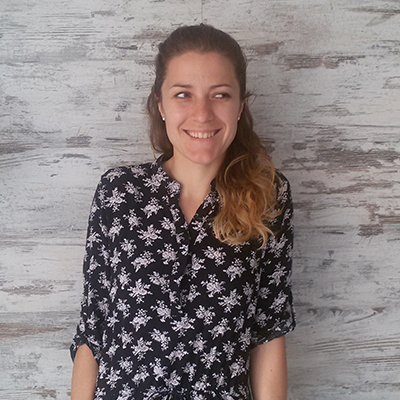
Soy Carole Sánchez, una profesional con más de 12 años de experiencia entre el mundo de la empresa, el turismo sostenible y el tercer sector . A lo largo de mi carrera, he trabajado apoyando empresas y ONG, ayudándoles a crecer o coordinando proyectos de cooperación internacional o de sostenibilidad medioambiental. Desde 2017, mi carrera ha sido enfocada hacia lo que realmente me apasiona:… Seguir leyendo Carole Sánchez
Manager en Estrategia y Alianzas MarCom
